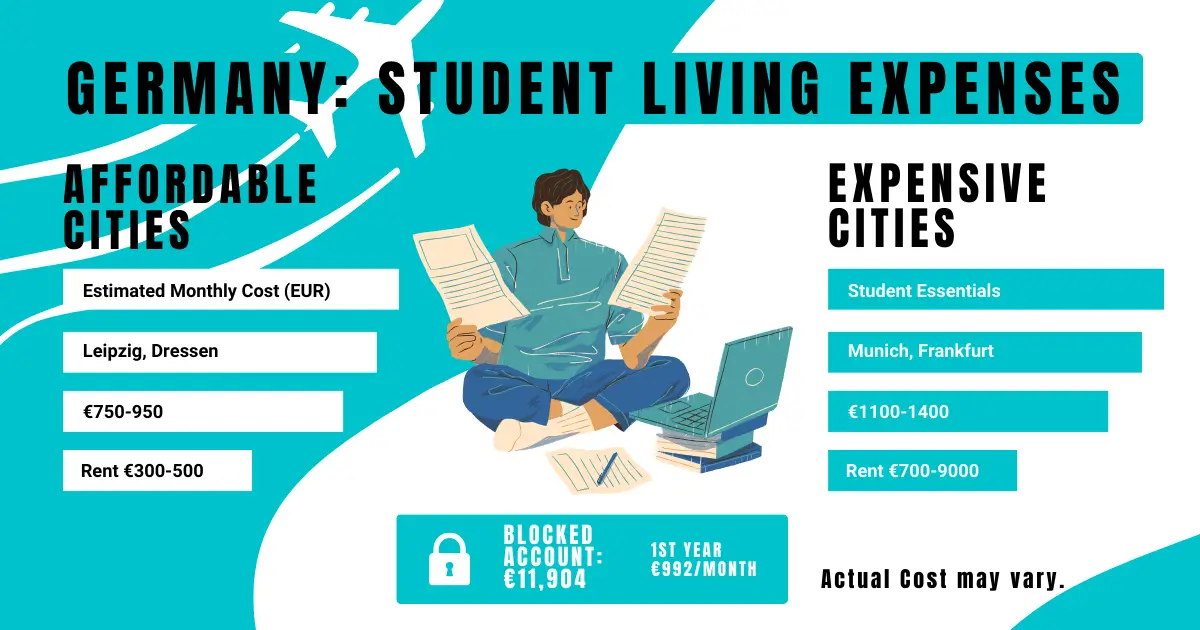
Germany is consistently ranked as one of the top study destinations for international students due to its unique combination of affordable education, research excellence, and career opportunities. Let’s explore the top reasons why Germany should be at the top of your list for studying abroad.
1. Affordable Education with Low Tuition Fees
Germany offers an exceptionally affordable education system for international students. Public universities in Germany do not charge tuition fees for most undergraduate and graduate programs, making it an incredibly attractive option for students.
- Semester Contribution: The only cost students have to bear is the semester contribution which ranges between €100–€350 per semester. This contribution often covers administrative fees, student union memberships, and a public transport pass.
- Tuition Fees in Baden-Württemberg: A few universities in the state of Baden-Württemberg charge around €1,500 per semester for international students. This fee is still relatively low compared to other countries like the USA or UK.
2. World-Class Education and Globally Recognized Degrees
Germany is known for its high academic standards and research-driven education. With top institutions like Technical University of Munich (TUM), Ludwig Maximilian University of Munich (LMU), and Heidelberg University, Germany offers a global reputation in fields such as engineering, business, medicine, and natural sciences.
- STEM Programs: Germany is particularly recognized for its excellence in Science, Technology, Engineering, and Mathematics (STEM) disciplines.
- International Collaboration: German universities collaborate with leading global industries, providing students with internship and job opportunities during their studies.
3. English-Taught Programs and International Community
Germany is increasingly offering programs taught in English, especially at the Master’s level. With over 2,000 international degree programs available in English, Germany is highly accessible even for those who don’t speak German fluently.
- Programs Available: Students can choose from a wide variety of programs in engineering, business administration, law, medicine, and more.
- Diverse Student Body: With over 350,000 international students currently studying in Germany, the country boasts a multicultural environment, making it easy for students to feel welcomed and integrated.
4. Post-Graduation Work Opportunities
After completing their studies, international students can stay in Germany to work, thanks to its post-study work visa program.
- 18-Month Job-Seeker Visa: After graduation, international students can apply for an 18-month job-seeker visa to search for employment matching their qualifications.
- Pathway to Permanent Residency: Once students secure a job, they can apply for the EU Blue Card, which makes it easier to obtain permanent residency in Germany.
Germany's strong job market and robust economy provide graduates with numerous career opportunities, especially in sectors like engineering, IT, and business.
5. Work While Studying
Germany offers students the opportunity to work part-time while studying, allowing them to support themselves financially.
- Working Hours: International students are allowed to work up to 120 full days or 240 half days per year.
- Hourly Pay: Students can earn around €9–€12 per hour, depending on the job type and location.
This flexibility allows students to gain work experience, contribute to their living costs, and develop professional skills during their studies.
6. Central Location in Europe
Germany’s strategic location in Central Europe is a major advantage for students who wish to explore Europe during their time abroad.
- Visa-Free Travel: With a German student visa, you can travel visa-free to 26 countries in the Schengen Area, including France, Italy, Netherlands, and more.
- Access to Global Cities: Cities like Berlin, Munich, and Frankfurt serve as global business hubs, providing opportunities for networking and internships.